Your business. Your way of working.

Give your team a shared commercial foundation, then connect it to the way your company works.

We tailor learning around your roles, competencies, tools, and business priorities—bringing your processes, data, and examples into discussions and practical activities.

Start with what your team needs to do.

We work with you to identify the roles, experience levels, and commercial responsibilities your learning program needs to support.

Map the learning to your competencies, onboarding needs, and business priorities—then choose the topics and activities that will help your team put it into practice.

Start with a workshop or build a longer-term program.  If one team has an immediate priority, we can design a focused virtual or in-person workshop. If you want to build skills over time, we can combine online modules, instructor-led sessions, and on-the-job practice. We can build that program for one team or bring several functions together around a shared way of working.

We also work with technology and service providers whose teams want to better understand how their retail and supplier customers measure performance, manage categories, and make decisions.

Looking for training for yourself?  Explore the individual learning tracks →

Who we build custom training for:

A sales team preparing for a buyer meeting has different learning needs from an office team trying to understand how its work affects stores. We build training around the work each team does and what you want them to do better.

Team checklist clipboard icon-2

COMMERCIAL TEAMS

Where does a good category plan lose momentum?

Build a shared approach to category management, from reading the data to putting the plan into action. Clarify who contributes at each step, how decisions are made and what teams need from each other to follow through.

Sales conversation growth icon-4

SALES AND ACCOUNT TEAMS

What would make your next recommendation worth a buyer's time?

Learn how your retail customers think about their categories and where they want to take them. Use that understanding to bring forward recommendations that solve a shopper need and support the retailer’s category goals.

Space Planning Shelf Icon-3

SPACE PLANNING AND ASSORTMENT TEAMS

What earns a product its place on the shelf?

Build a shared foundation in how retail works. Use shopper insights, sales data and category priorities to decide which products to carry, how much space they need and how to explain those choices.

Office and storefront connector icon-1

OFFICE AND SUPPORT TEAMS

Can people see how their everyday work affects what happens in stores?

Give colleagues in finance, IT, HR and other support functions a practical view of how the retail business works. A custom online program can use examples from your business to show how their work supports commercial decisions and shapes the shopper experience.
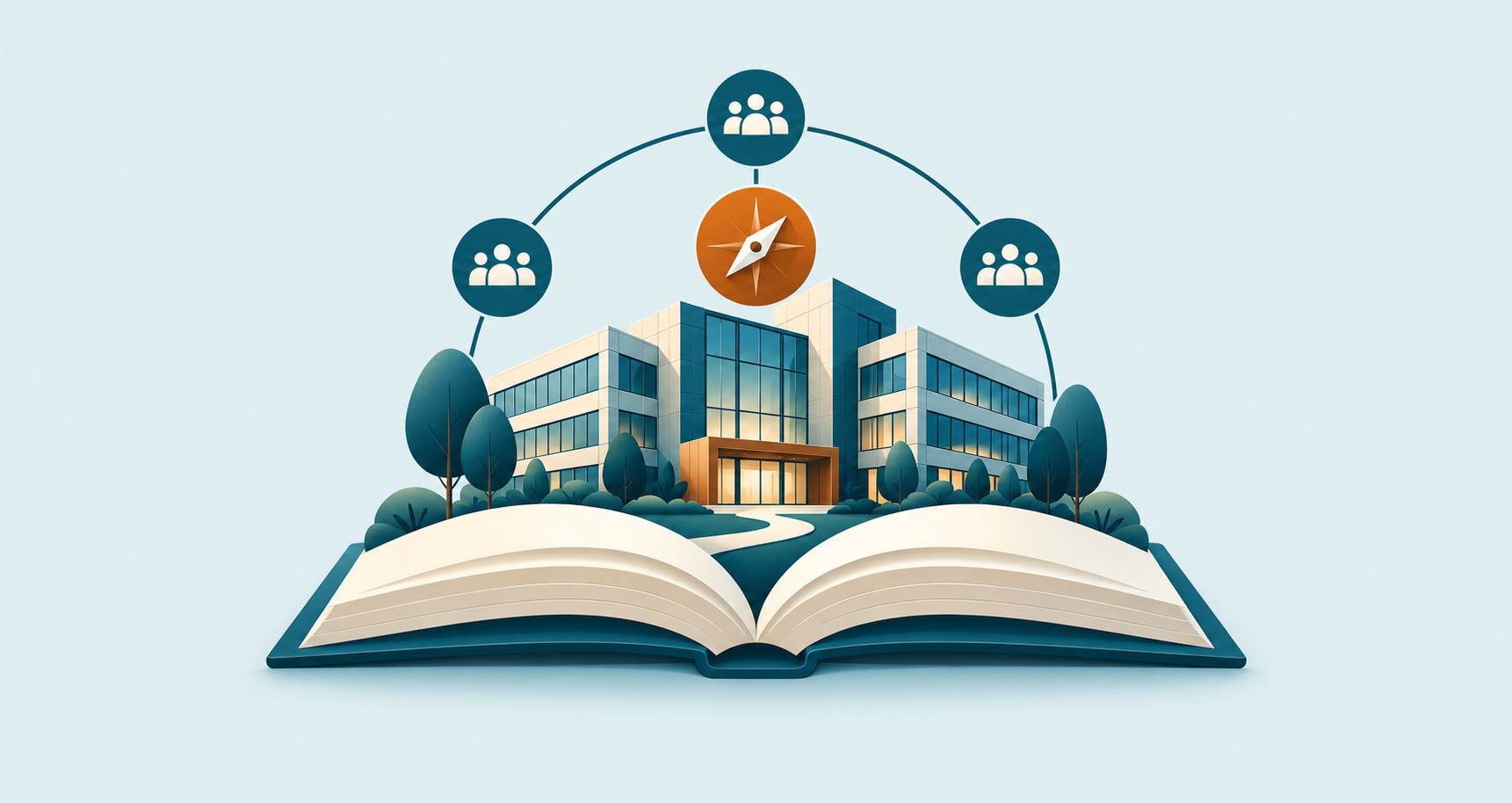
Make the learning your own.

Your Company Way

Connect commercial concepts to your company’s priorities, terminology, and ways of working.

Give learners clear examples of what the learning means in your business. 

Your Data & Examples

Bring learning to life with relevant categories, customers, and business scenarios.

Use your data or tailored examples to practise analysis and develop recommendations. 
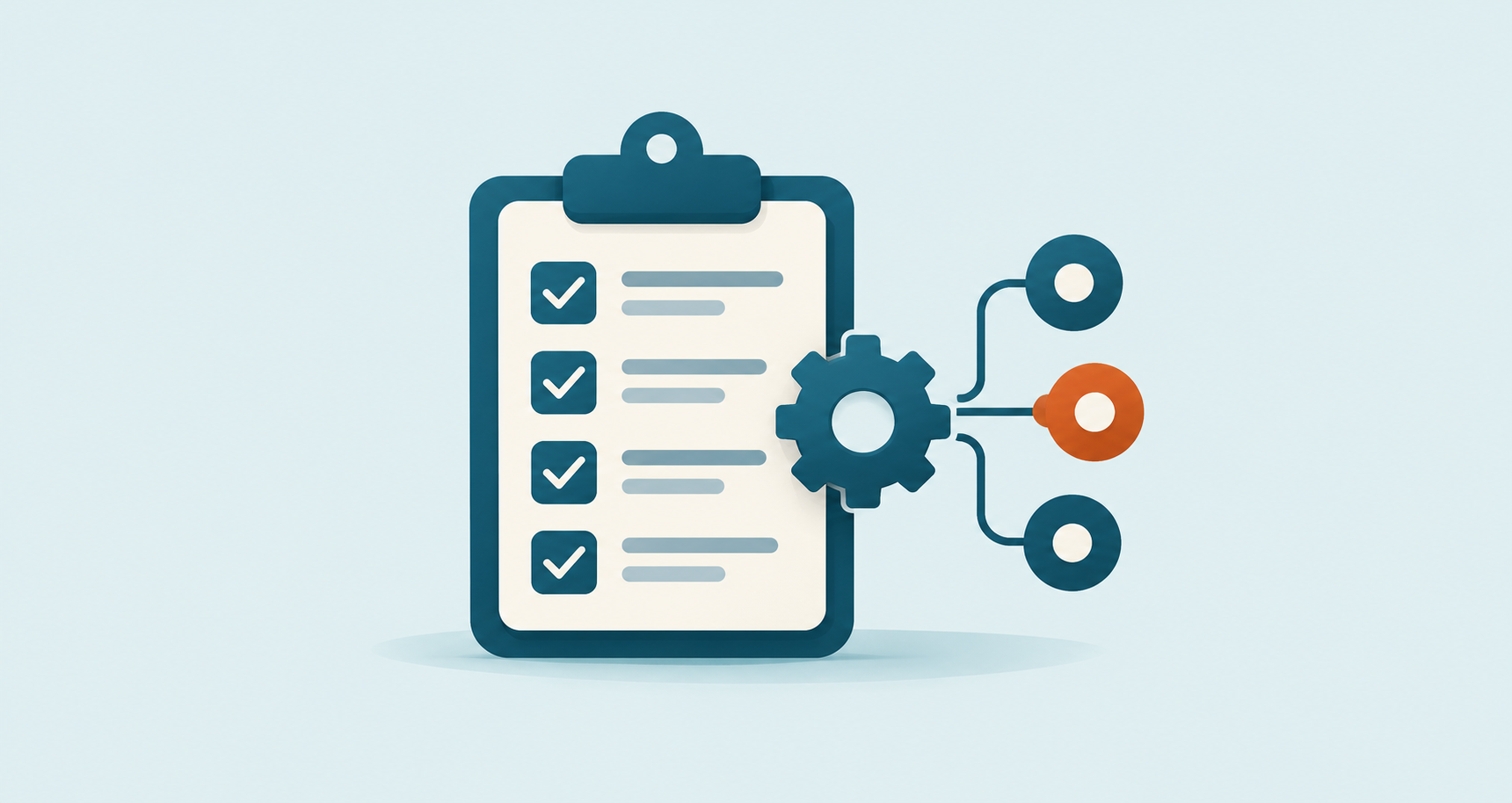
Your Tools & Processes

Build activities around the templates, planning tools, and processes your team uses.

Help learners create outputs they can take directly into their work. 

Make managers part of the learning.

A strong learning program needs active involvement from the managers who lead the team. When managers learn alongside their people, everyone builds a shared understanding of what good work looks like and what they’re expected to do differently. Managers can reinforce the same thinking in team meetings, coach it in one-on-ones, and use it to guide their own decisions.

We build that involvement into the program from the start. Together, we decide what managers should learn alongside their teams and where their coaching will make the most difference. We can create manager guides with discussion prompts, checklists, and practical challenges tied to your team’s roles, tools, and priorities. After a module or workshop, managers know what to ask, what to look for in the work, and how to help someone take the next step.

After category planning training, for example, a manager and team member might review a recommendation together. What shopper need does it address? What evidence supports it? Who needs to be involved to make it work? When both have worked through the same approach, they can use that conversation to sharpen a real recommendation and agree on what to do next.

Built together. Ready to use.

01. Define the Priorities

Agree on your learning goals, audience, and where customization will add value.

02. Build and Refine

CMKG develops the content and activities, with your team reviewing for relevance.

03. Launch the Learning

Deliver through your LMS or CMKG’s, with virtual or classroom sessions where they fit.

Examples of custom team training:

Category Planning in Practice

A large home improvement retailer wanted to strengthen how its teams approached category planning, assortment, and pricing. CMKG designed a three-day, instructor-led Category Management Master Class tailored to the retailer’s priorities and delivered it to four groups, reaching 90 category managers and colleagues in related roles.

The program earned an overall rating of 4.8 out of 5, and 100% of participants would recommend it to their peers.


Category Levers in Action

For a team weighing how to improve category performance, CMKG can build a workshop around one of its own categories. Participants use their data to assess options for assortment, shelf space, pricing, and promotions, then explain which change they’d prioritize and why.

Retail teams can use the workshop to evaluate changes across stores or formats. Supplier teams can use it to develop a recommendation that fits a retail customer’s category priorities and shopper needs.


Category Management Foundations

When teams are onboarding new colleagues or bringing several functions together, CMKG can build a shared foundation in how retail works, how shoppers make choices, and how categories are managed. In a facilitated session, participants work through a category example from both the retailer and supplier perspectives, then discuss how their own roles contribute to decisions that affect shoppers and category results.


Data, Analytics and Growth Opportunities

When teams need to understand what’s driving category performance, CMKG can combine online modules on retail data and retail math with a hands-on category review. Using your team’s data or a tailored example, participants interpret key measures, identify what’s changing, and explain which growth opportunity they’d investigate first and why.


Use Shopper Insights to Make Category Decisions

We can design a workshop around a decision your team is facing, such as which products to carry or how to make a category easier to shop. Using your shopper research, store observations, or category data, your team can work through what shoppers are trying to accomplish, where they’re running into trouble, and what changes are worth testing. Retailer teams can use the workshop to make decisions about their categories. Supplier teams can use it to build recommendations that fit a retail customer’s priorities and shopper needs.

Make it your Company Way.

 Let’s talk about what your team needs to do—and how we can connect the learning to your business.